GPD protects the environment with wetland, prairie, and woodland restoration and implements and measures efficient energy use. GPD was the first to ban the use of coal tar and supported legislation, now law, for a statewide ban. The Illinois Association of Park Districts recognized GPD for its partnerships developed to protect The Grove, which is recognized as an Accredited Arboretum, a National Historic Landmark and a Dedicated Illinois Nature P
reserve.
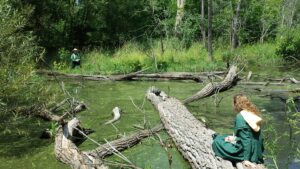
GPD converted 7.4 acres to native areas, hosted 24 zero-waste events, and decreased electric and fuel use by over 1% annually. Furthermore, GPD provides education to further historical stewardship. Overall, 98% of community members reported visiting a park or facility within the last year, of which 50% visited The Grove or Historic Wagner Farm. The Grove reported 55,890 program visits, 7,274 tour visits and 35,000 visitors to the Nature Center. Wagner Farm boasted 36,313 program visits, 6,265 tour visits and 69,908 general visits, a 7% increase in three years. These two facilities educate over 1,000 school groups annually.
The Glenview Park District’s Environmental Sustainability Plan provides a long-term framework for protecting natural resources, reducing environmental impacts, and promoting sustainable practices across all Park District operations. Developed as part of the District’s 2023-2028 Strategic Plan, it outlines actions that support environmental stewardship while enhancing community well-being and preserving natural and cultural resources.
The plan focuses on four key areas:
Land Management
- Preserve and restore native habitats, expand natural areas, increase tree plantings, manage invasive species, and support wildlife through pollinator plantings, habitat improvements, and responsible deer management.
- Continue sustainable land care practices such as integrated pest management, prescribed burns, and regenerative farming at Wagner Farm.
Asset Management and Resource Conservation
- Improve energy and water efficiency by tracking utility usage, conducting energy audits, exploring water reuse opportunities, and upgrading facilities.
- Expand the use of renewable energy, electric vehicles and equipment, LED lighting, geothermal systems, and sustainable design standards for future projects.
Operations
- Strengthen sustainable business practices through staff training, green purchasing, waste reduction, recycling, composting, paper reduction, and environmentally responsible vendor partnerships.
- Continue policies such as anti-idling and green cleaning while pursuing grants and funding opportunities for sustainability initiatives.
Community Engagement and Partnerships
- Educate residents about sustainability through programs, events, volunteer opportunities, and partnerships with local organizations, schools, and government agencies.
- Encourage community participation in recycling, waste reduction, conservation efforts, and environmental stewardship.
Overall, the plan positions the Glenview Park District as a community leader in sustainability by balancing environmental responsibility, operational efficiency, and public engagement while creating measurable goals and annual progress reporting.
 GPD developed an Urban Forestry Management Plan (UFMP) to provide data-driven solutions, goals, and milestones. GPD is leading in the inventory and diversity of its trees in Illinois. GPD exceeds the “20-10-5” rule, a best urban forestry management practice that states a tree population should ideally have no more than 20% of any single family, 10% of any single genus, and 5% of any single species. “Undesirable” trees decreased annually from 483 to 451, with the District managing over 22,300 trees. GPD planted 835 trees in the last three years, surpassing the plan’s targets.
Guided by Strategic/Comprehensive Plans, our environmental team recommends and implements actions for conservation, energy efficiency, and preservation. Highlights of success across the park district include:
- Only Illinois park district powered by 100% wind or solar-generated electricity.

- Built a solar-powered trailer to charge all battery-operated landscaping tools. The trailer includes solar panels on the roof that power its electric landscaping equipment and features a special wrap design that highlights this renewable energy resource (pictured above to the left).
- Converted pathway and parking lot lighting fixtures in parks and facilities to LED and changed court lighting from halogen to LED bulbs.
- Reduced water consumption by 30% by replacing 44 regular flush toilets with dual flush valves; replaced the domestic water booster system with an efficient system to generate 20% energy savings.
- Facilities built/renovated designed using LEED principles and with ComED incentives.
- Replaced 86 wall sconces and 175 can lights with LED lights, saving 9,906 watts annually.
- Ice center changed procedures to eliminate nightly purging of 30 gallons of water.
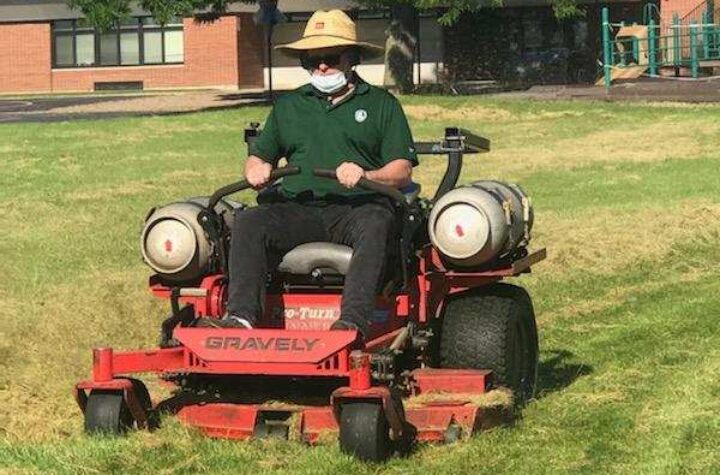
- Expanded use of propane and electric mowers.
- The “No Mow” Naturalized Areas initiative is where the Park District has identified select areas in parks that are prone to holding water, or underused, that will not be mowed during the season. “No Mow Until Mother’s Day” promotion reduces mowing.
- Go Green Glenview is a community-wide public education campaign designed to raise awareness about local resources that make it easier for residents to go green–and to provide tools to help out.
- The ice melt system at the Glenview Community Ice Center uses heat exchange from the ice mechanical room to help heat the building.



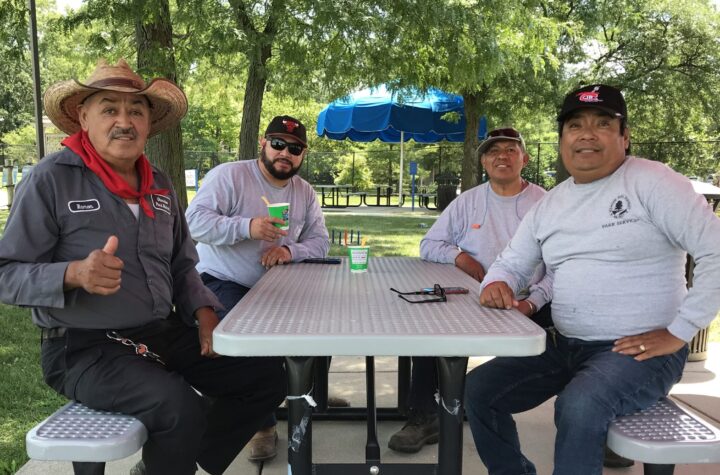
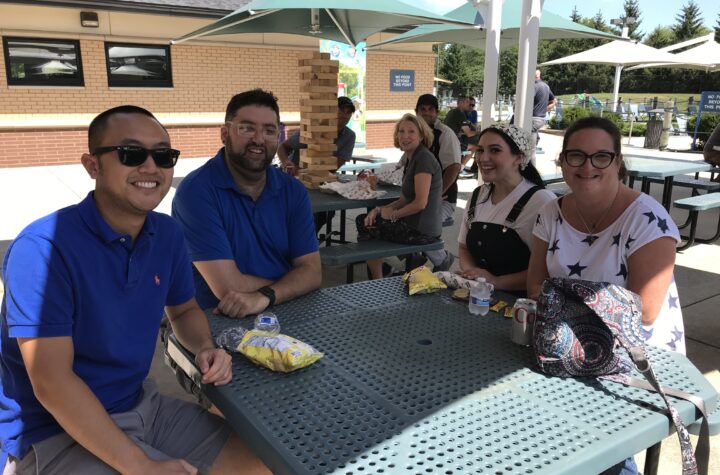
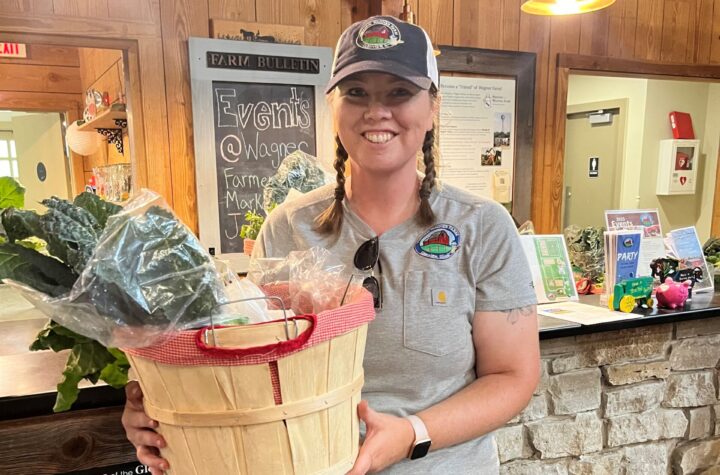
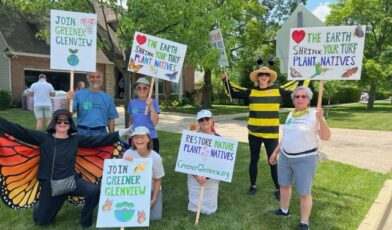
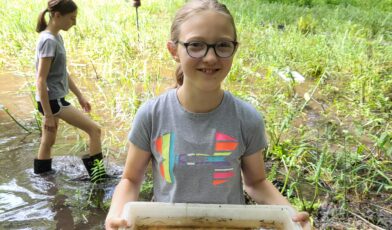
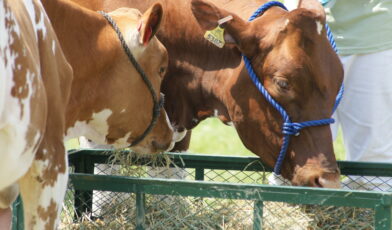
 Promotion of All Are Welcome during Pride Month.
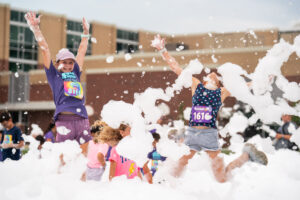 What began as a bold new idea quickly became an event bringing together participants of all ages for a high-energy, inclusive experience centered around fitness, fun and connection. Featuring live music at every mile and a foam-filled fun run for kids, the event created an atmosphere that felt more like a celebration than a race. The inaugural event attracted 376 participants. This year’s Jammin’ 5K and Foam Frenzy Fun Run will take place on Saturday, July 25, 2026.
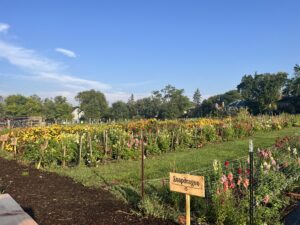 Historic Wagner Farm transformed a chronically flooded, underutilized area into a thriving flower production field through an innovative, staff-led improvement project. Rather than investing more than $100,000 in contracted drainage work, the team designed and installed over 1,700 feet of drainage tile, new irrigation infrastructure, fencing and soil enhancements themselves, creating productive growing space at a fraction of the cost. The project expanded the farm’s agricultural offerings with cut flowers, introduced a successful U-pick flower experience, increased revenue opportunities and enhanced visitor engagement. The initiative demonstrates how creative problem-solving, cross-functional teamwork and strategic reinvestment can turn operational challenges into community-focused amenities and sustainable new programs.
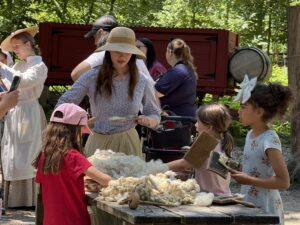 The Grove transformed two separate offerings into one immersive historical experience by combining its annual Pioneer Day celebration with the opening of the Cures & Curiosities: 19th Century American Medicine exhibit. By connecting living-history demonstrations, hands-on activities and a new archival exhibit through a shared 19th-century theme, staff created a richer visitor experience while maximizing existing resources. The integrated event increased attendance, extended visitor engagement, boosted exhibit visitation and contributed to higher participation in future programs and events. Through cross-department collaboration, streamlined marketing and creative storytelling, the project demonstrated how reimagining existing programs can enhance customer experiences, improve operational efficiency and create a sustainable model for future district-wide initiatives.
 To improve the youth basketball experience, Park Center Athletics reimagined how volunteer coaches are trained by replacing a traditional one-time meeting with a more flexible and accessible training model. The new approach combined an open-house equipment pickup and Q&A session with a required online training presentation, allowing more than 80 volunteer coaches to receive personalized support and complete training on their own schedule. The result was a 30% increase in training participation, stronger coach engagement and a smoother start to the season. By leveraging technology and adapting to volunteers’ needs, the program improved preparedness, enhanced the participant experience and created a scalable training model that can be applied to other volunteer-driven programs across the district.
 Staff completely redeveloped the training program for camp counselors in 2024 to ensure better retention of the values and skills needed for our counselors. The four-day training included interactive and new ways of learning to help counselors put their learning immediately into implementation. This was a refreshing change from the previous format of dry presentations outlining policies and procedures.
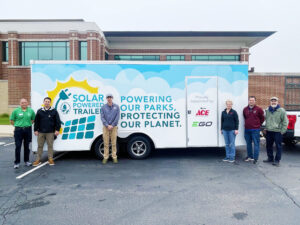 The Glenview Park District’s Solar Trailer initiative showcases how innovation, sustainability and collaboration can drive meaningful operational improvements. Designed and built by Park Services and branded by Marketing, the solar-powered mobile charging station uses renewable energy to power electric landscaping equipment, reducing reliance on gasoline-powered tools, lowering emissions, and improving staff safety and efficiency. The project also secured $7,000 in sponsorship support, increased community awareness of the District’s environmental commitment and served as a visible symbol of sustainable practices at parks and community events. Its success led to the creation of a second solar trailer, demonstrating a scalable model that advances both environmental stewardship and long-term cost savings.
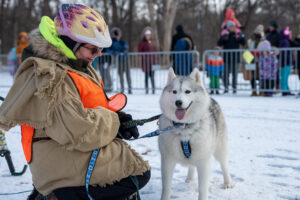 Robert’s Yukon Adventure Day transformed Robert Kennicott’s historic Arctic expeditions into an immersive, family-friendly winter event that combined education, recreation and community partnerships. Inspired by Kennicott’s journeys through the Yukon and Russian America, The Grove collaborated with local organizations to create hands-on experiences including dog sledding demonstrations, snowshoeing, winter ecology activities, Native Alaskan cultural programs and interactive science exhibits. The event exceeded attendance expectations by more than 115%, generated a 47% profit margin, and received overwhelmingly positive participant feedback. By blending history, outdoor recreation and experiential learning into a one-of-a-kind winter festival, the program strengthened community engagement, expanded awareness of Glenview’s historical connection to Robert Kennicott and created a successful, repeatable model for mission-driven special events.
 The aquatics department went from filling out individual swim lesson progress booklets for each participant at the end of a session, to creating a customized merge that is printed to hand out during the last swim class and later, emailed to each lesson participant reminding them to sign up for the next session of lessons. This was done by creating a “stage tracker” to keep track of swimmer progress.
 The Wagner Farm team envisioned, designed, constructed, and implemented the new Mobile Chicken Coop at Historic Wagner Farm. The need for the new coop started with an increased customer demand for fresh farm eggs. Noticing a potentially greater revenue stream the team put their creativity to action. Us that work at the farm are very focused on sustainability, education, and increasing farm product revenue. The coop was designed with these principles in mind.