about historic wagner farm
Vision
An authentic working farm that inspires generations to explore, connect and appreciate agriculture.
Mission
Historic Wagner Farm engages visitors through innovative, educational programming and partnerships to increase understanding of local agriculture, both past and present.
History as a Farm
Historic Wagner Farm has always been a working farm.
The Wagner family actively farmed the land from the early 1900s until 1997, raising livestock and operating a dairy and diversified farm. By the late 1900s, it was one of the last remaining working farms on Chicago’s North Shore.
After the death of the last Wagner family member in 1997, the property was at risk of residential development.
In 1998, Glenview residents voted to approve the Farm and Field referendum, authorizing the Park District to purchase the property. Funds from the referendum preserved an existing working farm, ensuring it would continue as a historic, educational and agricultural resource.
What We Mean by a Working Farm
Historic Wagner Farm’s designation as a working farm guides its operations and how programs are designed for the community.
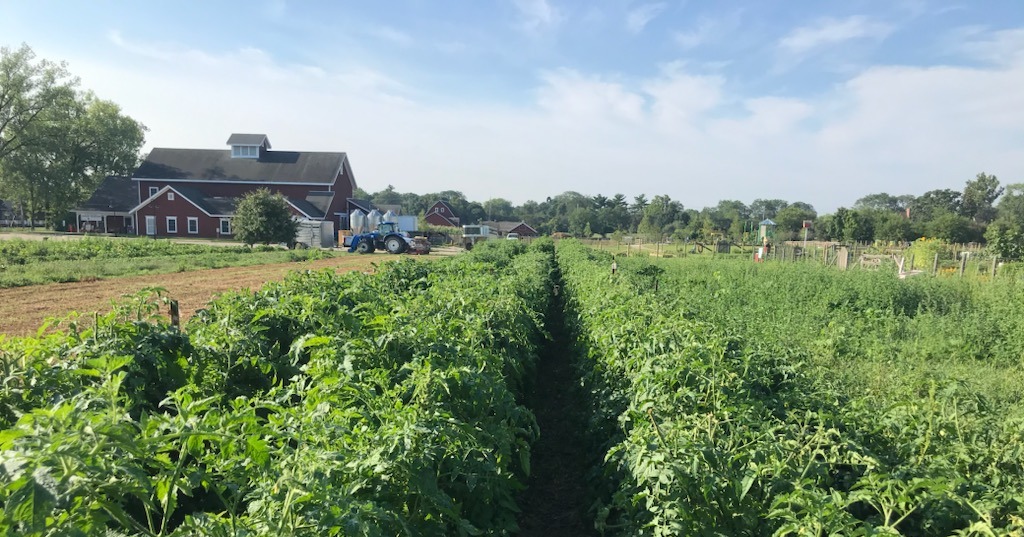
Staff and volunteers at Historic Wagner Farm grow crops, maintain gardens and raise and care for livestock to demonstrate how agriculture functioned historically and how it operates today. Educational programming reflects both early 20th-century practices and modern agricultural knowledge, connecting the past and the present.
Comparative Agriculture at Historic Wagner Farm
Historic Wagner Farm uses an interpretive approach known as comparative agriculture to help visitors understand how farming practices have changed over the last century.
Comparative agriculture helps visitors differentiate early 20th-century agriculture from modern agricultural practices on the same site. By viewing historic and contemporary methods side by side, visitors gain insight into changes in technology, animal care, crop production and food systems over the past 100 years.
This approach preserves the historic nature of the Farm while providing relevant, real-world agricultural education. The site is organized to allow visitors to compare elements from different eras, including gardens, fields, coops and barns, and how animals are cared for.
Our Approach to Programming
Programming at Historic Wagner Farm is designed to educate, engage and inspire visitors of all ages. Programs emphasize hands-on learning, observation and interpretation, helping participants better understand the agriculture, food systems and the role of farms in the community. Offerings include:
- Agricultural education programs for youth and families
- Historic interpretation of farm life and domestic work
- Seasonal programs tied to planting growing and harvesting
- Guided experiences that reflect responsible farm practices
Programs are developed to support learning while respecting the working nature of the Farm.
Animals play an essential role in the Farm’s educational mission. Their care and wellbeing are central to daily operations and long-term planning.
- Animals receive daily care from trained staff and supervised volunteers.
- Veterinary care is provided as needed.
- Housing, feed and handling practices are guides by the established agricultural and animal care standards.
- Visitor interaction with animals is limited to protect animal health and ensure safety for both animals and guests.
Decisions related to animal care are made with a focus on humane treatment, safety and education.
Historic Wagner Farm maintains livestock year-round and seasonally to support programs and interpretation.
- Year-round livestock includes cattle, horses and chickens.
- Hogs and lambs are typically brought in seasonally and later sold through established livestock auction channels.
The Farm also practices responsible poultry husbandry. At the end of their laying cycle, hens may be sent to a USDA-inspected processor. Some products may be used for the Farm’s farm-to-table foods programming, and some may be donated through community partnerships.
Historic Wagner Farm works with community partners to expand access to programs and support local needs. Partnerships have included support for student learning experiences and food pantry efforts, including donations of produce and eggs when available. Availability varies by season and programming.
The milking parlor is used for education and demonstrations. The Park District has clarified that recent equipment upgrades are capital replacement of aging equipment and do not authorize milk bottling, pasteurization or retail milk sales at this time.
The Glenview Clovers 4-H Club operates its programs at Historic Wagner Farm as an independent youth organization. The Club teaches responsibility, leadership and civic engagement through agriculture and livestock projects. At Historic Wagner Farm, 4-H programming is focused on education, skill-building and responsible animal care, following national 4-H guidelines.
4-H is owned nationally through the United States Department of Agriculture’s cooperative Extension System.
how visitors experience the farm
Learning and Discovery
- Interactive exhibits in the Heritage Center
- Exploration of gardens, fields and seasonal crops
- Observation of livestock and poultry in pastures, sheds and coops
Hands-on History
- Visiting the 1920s farmhouse
- Learning about domestic chores and daily farm life during scheduled programs
Programs and Events
- Guided educational programs
- Seasonal events and community activities
- The Glenview Farmers Market, held weekly from June through October